

Why Australia-Based Photographers Should Venture into New Terrains
Exploring New Terrains
When it comes to exploring unknown terrains, I've always been fascinated by the rich ecosystems that Central and South America offer. Years ago, during a visit to the Brisbane Botanic Gardens, I realised how important it is to understand these environments thoroughly. It felt like a precursor to bigger adventures like Central American tours, where nature's tapestry weaves through lush rainforests and vibrant wildlife.
Embracing Diverse Landscapes
Whether you're strolling along the diverse vegetation of the Galapagos or the pristine beaches of Costa Rica, the landscapes here are nothing short of extraordinary. As a wildlife enthusiast, it's exhilarating to discover each region's unique beauty. Imagine standing amidst the towering Andes or witnessing the Amazon's biodiversity—it's an unforgettable experience that goes beyond any picture-perfect postcard.
Understanding Local Ecosystems
When I set foot in these regions, the knowledge I've gained over the years truly comes alive. Each trip is a new chapter, offering insights into interdependent ecosystems that I've only read about. From observing the nesting birds during South America holidays to studying the complex river networks, every moment enriches my understanding of these delicate ecosystems.
Staying Environmentally Conscious
Environmental consciousness is crucial when encountering these beautiful regions. I've seen firsthand the impact of irresponsible tourism, and it pains me to witness the degradation of such fragile ecosystems. Sustainable travel practices should always be a priority, ensuring that our explorations leave a minimal footprint. I always make it a point to choose tour operators who prioritise conservation, resonating deeply with my values as a responsible and informed traveller.
Capturing Unique Ecologies
As an experienced wildlife photographer from Brisbane, I find that Central and South America offer a treasure trove of biodiversity, much like the lush landscapes around Mount Coot-tha. One of the destinations that continue to fascinate me is the mystery held within the Galapagos Islands. Known for its unique ecosystems, a Galapagos cruise offers an unparalleled opportunity to capture the untouched beauty of the islands. During such a cruise, it's essential to remain vigilant about the delicate balance of these habitats, much like when I'm exploring the native flora at the Brisbane Botanic Gardens.
Showcasing Biodiversity
Participating in Cuba tours is another incredible way to experience the vibrant biodiversity this region offers. I recall seeing flamingos in their natural habitat for the first time, their vivid colours standing in contrast to the serene backdrop. Such experiences provide a perfect canvas for photographers keen on capturing the variety of species residing in these ecologies.
Documenting Ecological Changes
Documenting ecological changes becomes crucial when we consider areas facing environmental stress. Drawing parallels to the conservation at Lone Pine Koala Sanctuary, observe how shifts in climate can affect local wildlife. From altering migration patterns to impacting food sources, these changes deserve attention to raise awareness through powerful imagery.
Highlighting Conservation Efforts
While capturing the splendour of these regions, it's crucial to bring to the forefront the conservation efforts in place. Much like the initiatives we respect back home, it's about contributing to sustainable tourism that prioritizes ecological preservation. With every photo taken, we have the chance to inspire others to value and protect these incredible ecosystems, ensuring their survival for generations to come.
Enhancing Photography Skills
When perfecting my photography amidst the natural splendour of Central and South America, I often find that adapting to varying climates is essential. My experience journeying from the lush rainforests of Costa Rica to the arid landscapes of the Galapagos Islands has taught me to master versatility. For instance, during one of my Galapagos islands tours, the humid conditions called for a robust gear choice to withstand the moisture.
Adapting to Varying Climates
It's crucial to carry protective equipment for your camera, especially in places with unpredictable weather patterns. The rainforest's sudden downpours require waterproof covers, whereas the dry heat of desert regions demands lens cleaning supplies to tackle dust. Remember, safeguarding your gear ensures that your focus stays on capturing the awe-inspiring biodiversity, similar to when wandering through Brisbane's Mount Coot-tha for panoramic shots.
Using Natural Lighting
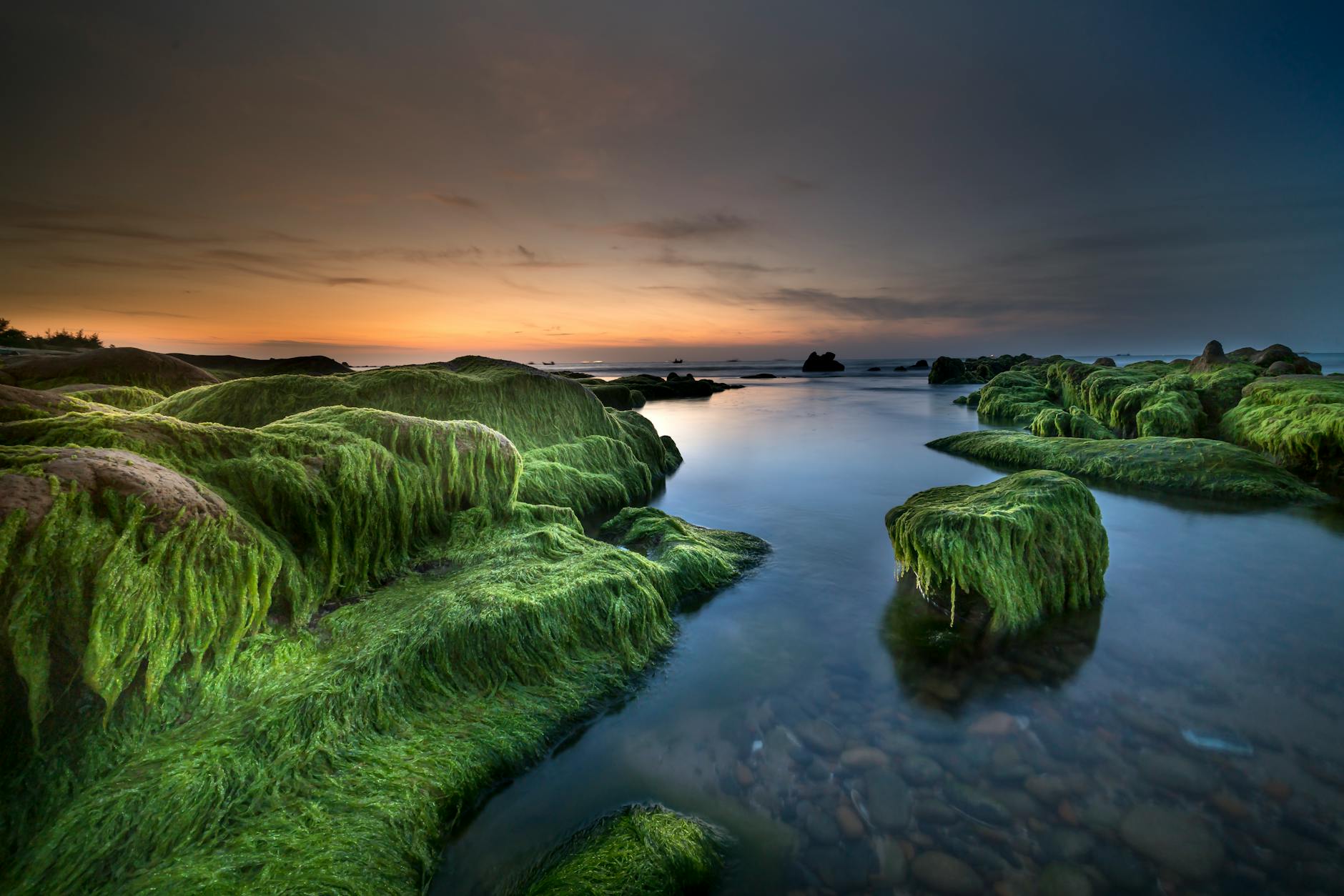
Natural lighting can drastically transform the outcome of your wildlife photos. I've found that the golden hours, just after sunrise or before sunset, provide a soft, diffused light that beautifully highlights the vibrant colours of Central and South America. Observing this lighting shift allows images to reflect the captivating tones of the region’s varied foliage.
Incorporating Environmental Elements
Adding environmental elements to your frame enriches the narrative of each image. While on Central America tours, I capture wide shots that include both the subject and its habitat. This approach offers viewers a context for the wildlife’s behaviour and surroundings, much like the sprawling habitats witnessed at the Lone Pine Koala Sanctuary.
Networking Opportunities
Connecting with Local Experts
When visiting distant lands, connecting with local experts enhances your understanding of their unique ecosystems and enriches your travel experience. During my recent journey through South America, I had the pleasure of meeting knowledgeable guides who opened my eyes to the rich biodiversity of the region. These interactions are invaluable, especially when exploring diverse terrains on Antarctic tours. Engaging with local experts not only broadens your perspective but also creates opportunities for meaningful dialogues about environmental challenges and potential solutions.
Building Global Relationships
Building global relationships is crucial for anyone passionate about environmental conservation. Through my photography, I've had the chance to meet fellow wildlife enthusiasts who share my passion for capturing the raw beauty of our planet. These connections often become bridges, linking us to a global network of individuals committed to preserving the world's natural wonders. Whether you're participating in South America travel or attending an international seminar, forging these connections can be profoundly transformative, both professionally and personally.
Collaborating on Conservation Projects
Collaborating on conservation projects is an inspiring way to contribute to ecological preservation while expanding your professional network. For instance, working with local organisations in South America has allowed me to participate in efforts to protect endangered species. Such collaborations not only enhance my work but also provide rich content for my photography projects, which aim to raise awareness about environmental issues. Being part of a collective effort to combat climate change offers a sense of purpose and the chance to make a tangible impact.
Common Challenges
Handling Remote Terrain Accessibility
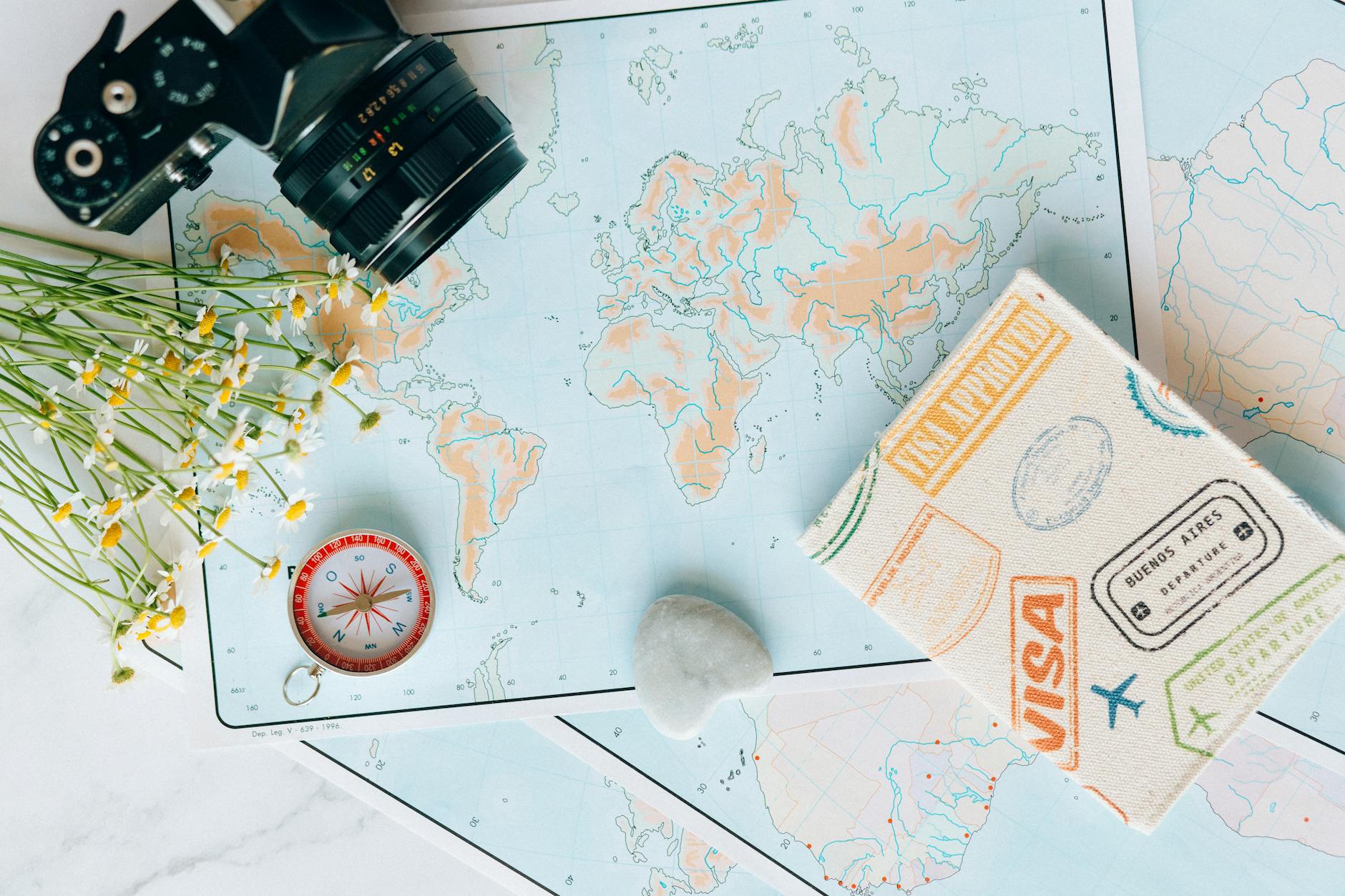
Remote terrain can be both a blessing and a curse for wildlife photographers like myself. Each time I embark on a journey to capture the essence of Central and South America's rich biodiversity, I think of how remote lighting can be tricky but rewarding, much like navigating the dense forests and hidden valleys of these regions. While the Brisbane Botanic Gardens provide a controlled environment to practice framing shots, wild terrains require some strategic manoeuvring. The key is to plan meticulously, equipping yourself with local maps and consulting people who've tread those paths before. Trust me, your efforts will be worth it when you take those once-in-a-lifetime shots that a place like Mount Coot-tha prepares you for on a smaller scale.
Tackling Language Barriers
Having experienced language barriers firsthand, I've learned how vital it is to engage with local communities to unlock in-depth knowledge of the ecosystems you're documenting. To my surprise, a sincere attempt to communicate—even through gestures—turned challenging interactions into rewarding connections. Much like engaging with visitors at the Lone Pine Koala Sanctuary, sincerity can break the language divide. For long-term travel, consider learning basic phrases in the native tongue, and employ language apps when needed for more nuanced conversations about ecosystems and wildlife behaviours.
Coping with Erratic Weather
Dealing with unpredictable weather is par for the course in wildlife photography. Instead of being discouraged by stormy skies, see them as opportunities for dramatic lighting and unique compositions. During a recent trip to Costa Rica, I found that a rain-soaked landscape added an ethereal quality to my photos, a bit like capturing sunsets over Brisbane's skyline after a summer storm. However, always be prepared: waterproof your gear and research the climate patterns of your destination in advance. Your proactive approach ensures you're not caught off-guard by nature’s whims.